
Electric vehicle batteries don’t simply become useless when a car reaches the end of its service life. Each pack contains valuable materials, reusable components and stored electrical energy, but it also presents safety and environmental challenges. The outcome depends on the battery’s condition, chemistry and handling after removal.
As more electric vehicles enter service, manufacturers, recyclers and regulators are developing systems to recover materials and find practical second uses for packs that still retain capacity.
The Scale of Automotive Battery Scraps
Most electric vehicle packs are designed to last for many years. Battery warranties commonly cover eight years or 100,000 miles in the United States, and many packs continue working well beyond those thresholds. Still, collisions, manufacturing defects and gradual capacity loss create a growing stream of damaged or decommissioned batteries.
The volume matters because an EV battery can weigh several hundred to more than 1,000 pounds. Packs contain aluminum, steel, copper, graphite and compounds involving lithium, nickel, manganese or iron. Extracting and processing those materials has consequences, as shown by research into the environmental impact of battery production. Recovering usable materials from existing packs can reduce demand for new extraction, though recycling also consumes energy and requires specialized equipment.
Owners and repair businesses shouldn’t place an EV battery in household trash or a general construction debris container. The EPA guidance for used lithium-ion batteries explains that these batteries require separate handling because they can retain substantial energy and may catch fire if crushed, punctured or improperly stored.
A service center will usually coordinate removal through the automaker, insurer or an approved recycling partner. If you’re independently managing a damaged vehicle or commercial fleet, record the pack’s identification number, known damage and storage conditions before contacting a qualified provider. That documentation helps the receiving facility determine whether the pack is suitable for testing, parts recovery or material recycling.
Chemical Risks Inside Solid-State Cells
Solid-state batteries replace the flammable liquid electrolyte found in conventional lithium-ion cells with a solid electrolyte. The technology could offer higher energy density, improved temperature tolerance and a lower risk of electrolyte leakage. However, “solid” doesn’t mean chemically harmless or safe to handle without training.
Different designs use ceramic, polymer or sulfide-based electrolytes. Sulfide materials can produce hazardous hydrogen sulfide gas when exposed to moisture. Some prototypes also use lithium metal, which reacts strongly with water and can create intense heat. Physical damage may cause internal short circuits even when no liquid electrolyte is present.
Solid-state technology remains under development for large-scale automotive use. The U.S. Department of Energy’s battery research programs examine solid electrolytes, lithium metal anodes and manufacturing methods that could move these cells from laboratories into commercial vehicles. As designs evolve, recycling facilities will need reliable labels and chemistry data to select suitable processing methods.
Never open a battery enclosure to identify its cell chemistry. Keep a damaged pack away from rain, drains, occupied buildings and combustible material while you wait for professional instructions. Watch for swelling, unusual odors, hissing, smoke or unexpected heat and contact emergency services if conditions change rapidly.
A transporter should also know whether the battery is a prototype or production model. An unfamiliar chemistry can require different packaging, monitoring and emergency procedures.
Finding Certified Hazardous Material Haulers
Start with the vehicle manufacturer or an authorized service center. Automakers often maintain return arrangements with logistics companies and recycling facilities that understand the pack’s design. Insurers may also control disposal after a collision, so confirm ownership before arranging removal yourself.
If those channels aren’t available, use a Waste Management Companies Directory to identify waste haulers, transfer stations and recycling centers in your state. A general listing is only a starting point. Contact each provider directly and verify that it accepts high-voltage EV batteries, since many conventional recycling centers don’t have the permits, equipment or fire controls needed for them.
Ask the provider several specific questions:
- Does it handle the battery chemistry and pack size you have?
- Will it supply approved packaging and collect the pack on-site?
- Can it provide permit, insurance and training documentation?
- Where will the pack go after collection?
- Will you receive a shipping record or recycling certificate?
A credible hauler should ask about physical damage, charge level, vehicle make and model and signs of heat or leakage. Be cautious if a company quotes a price without requesting those details.
Don’t move the pack in a personal vehicle. Large traction batteries may qualify as regulated hazardous material during transport, especially when damaged or defective. Packaging can require protective covers, nonconductive cushioning, secure bracing and temperature monitoring. Rules vary according to condition and shipment method, so the carrier should explain which requirements apply and who remains responsible at each stage.
Keep invoices, photographs, inspection records and final processing documents. Businesses with multiple vehicles should maintain a battery inventory that links every pack to its collection date and destination.
Second-Life Storage Alternatives
A battery may leave automotive service before it loses all practical value. An EV pack with 70% to 80% of its original capacity might no longer provide the driving range a motorist expects, yet it could still support stationary energy storage where weight and size matter less.
Before reuse, technicians test insulation, voltage balance, remaining capacity and thermal behavior. They may dismantle a pack into modules, remove weak units and combine compatible modules inside a new enclosure with a dedicated battery management system. Potential uses include storing rooftop solar generation, reducing a commercial building’s peak electricity demand and providing backup power for equipment.
Reuse isn’t automatic. Packs damaged by flooding, severe impacts or internal overheating may be unsuitable for second-life projects even if some modules appear functional. Mixing cells with different chemistries, ages or degradation patterns can also create uneven charging and premature failure. Testing costs may make direct recycling more practical for heavily degraded packs.
Stationary systems need ventilation, temperature controls, electrical isolation and fire detection designed for their chemistry. Local building and electrical requirements may also affect where a system can be installed. Consumers should look for professionally engineered products with documented testing instead of attempting to assemble storage systems from salvaged modules.
Eventually, every second-life system reaches the recycling stage. Kompulsa has previously covered how battery materials can return to the supply chain through specialized processing. Planning that final handoff at the start of a storage project prevents another disposal problem years later.
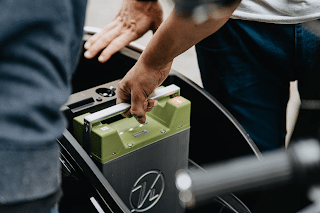
Long-Term Automotive Sustainability Trends
Battery recycling is moving from simple waste treatment toward material recovery for new manufacturing. Mechanical processing can shred or separate packs into metals, plastics and a concentrated mixture often called black mass. Hydrometallurgical processes then use liquid-based chemistry to recover materials such as lithium, nickel and cobalt. Direct recycling methods aim to preserve cathode structures, potentially reducing the energy and chemical inputs needed to rebuild active material.
Battery chemistry will shape the economics of these methods. Lithium iron phosphate packs contain no nickel or cobalt, so their recovered material may have a lower market value even though responsible processing remains necessary. Packs with nickel-rich cathodes may generate more valuable outputs but involve different separation requirements. Recyclers need flexible facilities as automakers adopt several chemistries across different models.
Design changes could make recovery safer and less expensive. Standardized labels, accessible diagnostic data and pack fasteners that technicians can remove cleanly would reduce guesswork. Strong adhesives and highly integrated structures may improve vehicle performance, but they can complicate disassembly at the end of service.
The National Renewable Energy Laboratory’s battery recycling research considers recovery technology alongside transportation, economics and supply chains. Those connected factors determine whether a used pack travels hundreds of miles for processing or enters a closer regional system.
For vehicle owners, the most useful evidence of responsible handling is a traceable record. A final receipt should identify the battery, collection company, receiving facility and processing route. As decommissioned EV volumes rise, that chain of custody will separate genuine material recovery from disposal that merely moves the problem elsewhere.
Image Credit: Unsplash