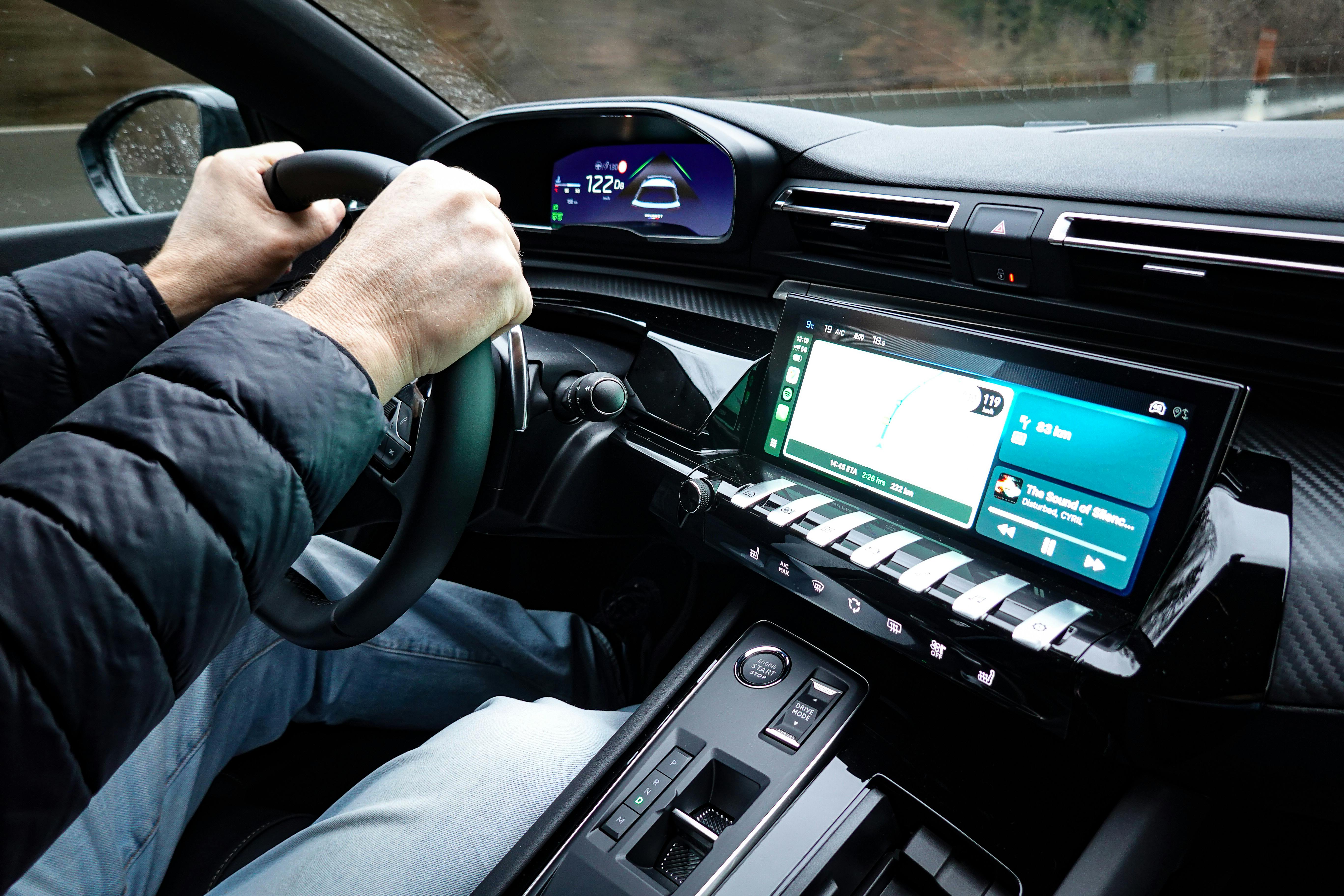
Connected cars can record far more than mileage and maintenance alerts. Depending on the model and enabled services, a vehicle may collect location history, driving behavior, voice commands, and information from a paired phone. Some of that data supports useful features, but it may also be transmitted to manufacturers, service providers, or insurers. Knowing what your car records gives you more control over where the information goes and how long it remains available.
How Modern Cars Collect Data
Modern vehicles contain computers, sensors, and cellular connections that monitor mechanical systems and activity inside the cabin. Telematics systems may record speed, acceleration, braking, location, and seat belt use. Infotainment units can store contacts, call logs, messages and recent destinations after you connect a phone.
Cameras and microphones create another data stream. They may support driver-assistance features, voice controls, or attention monitoring. Manufacturers can combine these records with mobile app activity and service history. The growing scale of connected vehicle data makes it sensible to review data settings before activating every available feature. Convenience settings sometimes include broad permissions that aren’t required for basic driving.
Privacy Concerns in Automotive Tech
A vehicle’s privacy policy may allow information sharing with mapping providers, analytics companies, and affiliated services. In some cases, driving behavior can influence personalized offers or insurance products. Location records are especially sensitive because repeated trips may reveal your workplace, home address, and daily schedule. Infotainment systems can raise similar concerns, particularly when connected car systems access phone data such as contacts, call logs, and messages.
Access can also become an issue after a serious crash. Vehicle records may contain sensitive information about driving behavior, location, and activity before an incident. Avoid deleting crash-related data once a dispute appears likely, as it may be relevant to an investigation or claim. At the same time, be cautious about granting broad access to unrelated phone records, account credentials, or location history.
Securing Your Vehicle’s Digital Footprint
Start with the privacy controls in the vehicle’s dashboard and companion app. Disable data-sharing options you don’t use, check which drivers have account access, and turn off location services that aren’t needed. The exact controls vary by manufacturer, so review both the app menu and the owner portal.
Consumer Reports offers practical instructions for limiting car data collection, including opting out of certain connected services. You should also remove paired phones and saved addresses before selling, trading, or returning a vehicle. Use a unique account password, activate multi-factor authentication when available, and install legitimate software updates promptly. Rental car users should delete their profiles and Bluetooth connections before handing back the keys.
When Data Plays a Role in Accidents
Digital vehicle records can help clarify what occurred before an accident. Depending on the system, stored information may include speed changes, braking input, steering activity, and warning alerts. If an accident causes injuries, a personal injury attorney may help you understand your legal options and identify evidence relevant to a potential claim. Dash camera footage, mobile app logs, and roadside camera recordings can add context, though timestamps and device accuracy should be checked.
Preservation matters because some systems overwrite information after a set period. Photograph the dashboard, record visible alerts, and save relevant app notifications as soon as it’s safe. Don’t attempt to access protected modules or alter vehicle software yourself. A qualified technician may need to retrieve certain records using approved equipment. Data rarely tells the whole story, so physical evidence, witness accounts, and service records remain relevant.
Navigating Automotive Data Regulations
Automotive privacy rules depend on where you live, what data was collected, and which business controls it. State privacy laws may give consumers rights to request records, correct inaccurate details, or ask for deletion, subject to legal and operational exceptions. Federal rules may also apply to particular communications, safety systems, or financial services.
Read the vehicle privacy notice when buying or leasing, then save a copy because policies can change. Direct requests to the manufacturer or connected-services provider identified in your account. Ask what categories are stored, who receives them, and how long they’re retained. If you disable a service, confirm whether that stops new collection or only limits sharing. A few minutes spent reviewing permissions can prevent years of unnecessary location and driving records from accumulating.
Image Credit: Pexels